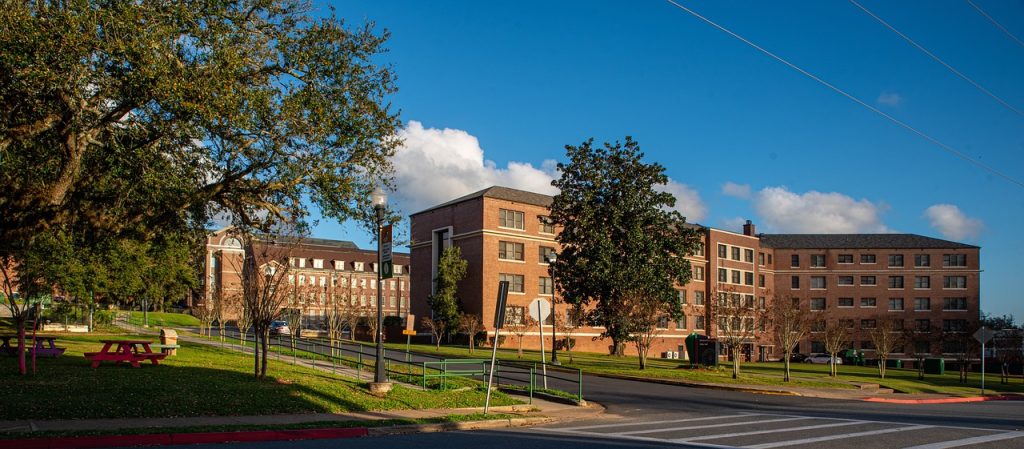
Living on Campus While Earning Your Degree Can Help You Save Money
Contents
Paying for college means covering tuition plus everyday living costs. Where you live is one of the biggest of those costs, and living on campus can help you save money in some situations.
It isn’t automatically the cheapest choice, though. Here’s where on-campus living can save you money, where it may not, and how to pay for it.
The Financial Wisdom of Campus Living
Dorm charges often bundle rent, utilities and internet into one bill. That makes your housing costs predictable, and you won’t pay for things like furniture, security deposits or separate utility accounts.
Compare the full cost before you decide. In some areas, sharing an off-campus apartment or living at home can cost less than a dorm and meal plan.
As indicated by Sean from Test Prep Toolkit, “Scholarships and financial aid packages often factor in the cost of on-campus living, making it not just a pragmatic choice but a financially savvy one.”
That’s true, with one caveat. Under federal rules, a school’s cost of attendance includes a housing and food allowance whether you live on campus, off campus or with your parents. So aid can help with housing wherever you live.
Benefits Beyond Convenience
Transportation Savings: Living on campus puts most classes within walking distance. You may be able to skip car payments, fuel, parking permits and maintenance, which can add up over a school year.
Meal Plans as Budget Allies: Many schools require or offer meal plans for dorm residents. A meal plan makes food costs predictable, but compare its price per meal with what you’d spend cooking for yourself before you assume it saves money.
Navigating Financial Waters
Scholarships and Grants
Scholarships and grants don’t have to be repaid. Many are based on academic achievement, financial need or activities, and some schools offer housing-specific awards, so ask your financial aid office what’s available.
Financial Aid
Completing the Free Application for Federal Student Aid (FAFSA) is the starting point for federal grants, work-study and federal student loans. Many schools also use it to award their own aid.
Your aid is capped by your school’s cost of attendance, which includes an allowance for housing and food.
Work-Study Programs
Federal Work-Study funds jobs for students with financial need, either at the school or with approved off-campus employers. It helps cover living costs and adds work experience to your résumé.
Parental Support
Sometimes, an open conversation with your parents about your costs can help. If they can contribute, agree on what they’ll cover, such as housing, food or books.
Part-Time Jobs
A part-time job, on or off campus, can help cover living expenses. Keep your hours manageable so work doesn’t hurt your grades.
In Conclusion
Living on campus can save money on transportation, furniture and utilities, and it keeps your costs predictable. Whether it’s the cheapest option depends on local rents and meal plan prices.
Compare your options side by side, file the FAFSA, and ask your financial aid office how housing affects your aid.
Sources
- Cost of Attendance (Budget), 2025-2026 Federal Student Aid Handbook, U.S. Department of Education
- The Federal Work-Study Program, 2025-2026 Federal Student Aid Handbook, U.S. Department of Education