What are NFTs & How Can You Invest in Them?
Contents
NFTs drew huge prices and media attention in 2021, from art to music to games. Prices and trading activity have fallen sharply since then, and most NFTs are highly speculative. This article explains what NFTs are and how buying one works.
What is the Meaning of NFT? Non-Fungible Tokens.
NFT stands for non-fungible token. An NFT is a unique token on a blockchain that records who owns a specific digital item. You can think of it as a certificate of ownership that points to the work.
They are "non-fungible" because they are not interchangeable. One dollar or one bitcoin is the same as any other (fungible), while each NFT has its own token ID. Some basic understanding of blockchain technology helps, but isn't required.
Almost any original digital content can be "minted," or turned into an NFT. NFTs can be bought and sold whenever a willing seller finds a willing buyer (more on that later).
In March 2021, Christie's auction house sold Beeple's "Everydays: The First 5000 Days" as an NFT for $69.3 million, one of the highest prices ever paid for an NFT.
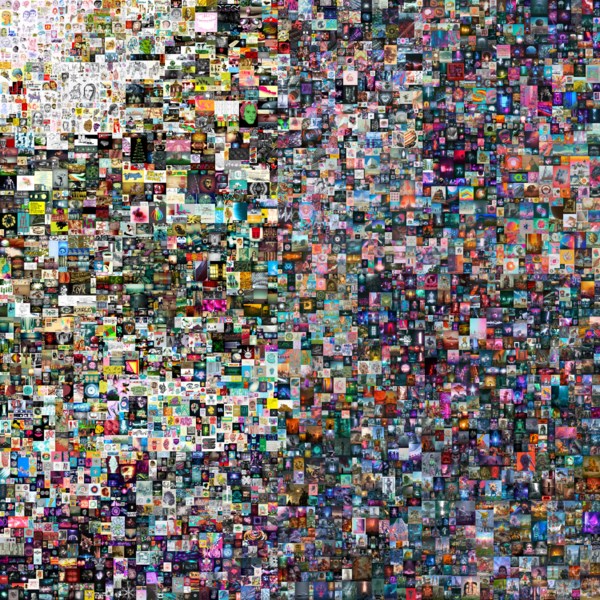
Beeple (b. 1981) EVERYDAYS: THE FIRST 5000 DAYS token ID: 40913 wallet address: 0xc6b0562605D35eE710138402B878ffe6F2E23807 smart contract address: 0x2a46f2ffd99e19a89476e2f62270e0a35bbf0756 non-fungible token (jpg) 21,069 x 21,069 pixels (319,168,313 bytes) Minted on 16 February 2021. This work is unique. Price Realized: USD $69,346,250 Closed: 11 March 2021.
The image above is that record-setting work. Sales at that level have been rare exceptions, not a typical outcome. An NFT gives the holder ownership of the token, so don't lose the keys to your wallet if you buy or create one.
Most NFTs on Ethereum use the ERC-721 token standard (or the newer ERC-1155), while ERC-20 is the standard for fungible tokens. Other blockchains, such as Solana and Hive, also support NFTs.
Minting is the act of creating a new NFT. The token and its ownership record live on the blockchain, but the image or media file itself is usually stored elsewhere and linked from the token's metadata. If that file's host goes offline, the link can break.
Minting usually costs a network fee, so creators have to pay to put their work on the blockchain. Creators have minted NFTs for art, music, virtual land, game items, domain names and more.
How to buy or invest in an NFT:
Buying an NFT can be confusing the first time. Several marketplaces sell NFTs, and auction houses such as Christie's have sold high-end pieces.
NFT marketplaces list work across a wide range of prices, while auction houses focus on expensive, well-known pieces.
Just like an artist selling prints, some artists release NFTs in "editions," while others create a single 1 of 1. Editions and one-offs sell at different prices because of rarity, even though each digital copy is identical.
Rarity alone does not make an NFT valuable; it still needs buyers. Artists can also set a creator royalty, a percentage paid to them each time the work is resold. Royalty rates vary, and not every marketplace enforces them.
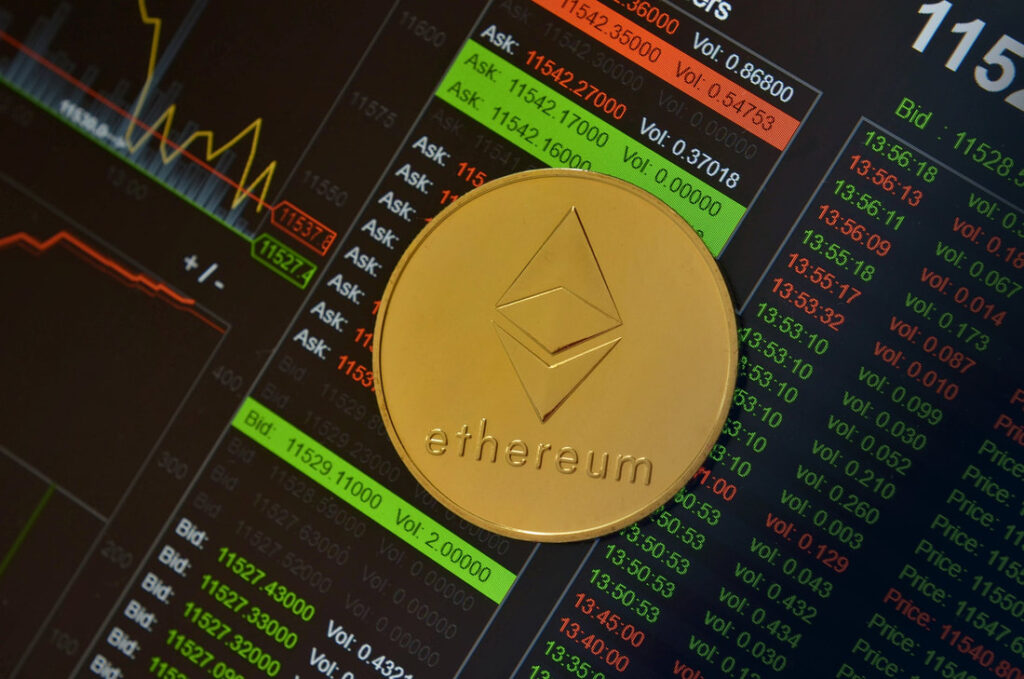
To buy an NFT on Ethereum, you generally need ETH in a crypto wallet. You can buy ETH on a crypto exchange such as Coinbase, then move it to a wallet that connects to the marketplace. Budget for network ("gas") fees and marketplace fees on top of the price.
Once you have ETH in a wallet, connect it to the marketplace you want to use and find the NFT you want. The steps vary a little between marketplaces.
Before you buy, know the risks. The SEC's investor alert on crypto asset securities warns that these investments can be "exceptionally volatile and speculative" and says to risk only money you can afford to lose entirely. The FDIC notes that crypto assets are not FDIC-insured, even when bought through a bank.
Saturday Night Live wrapped it up better than we ever could. Enjoy!
Where can I buy NFT art? Where can I invest in NFTs?
Marketplaces open and close often in this space, so check that a platform is still operating before you send it any money. Here are the marketplaces this article has covered:
Rarible: A multichain NFT marketplace that is still operating. It shows sales rankings, but past sales don't predict future value.
SuperRare: A marketplace focused on single-edition digital art, with an application process for artists.
Async Art: Async Art was built for "programmable" art, where layers of a work could change based on rules the artist set, such as time or weather. Its site now shows only a "classic" art editor, so confirm its current status before using it.
KnownOrigin: KnownOrigin has shut down its marketplace, according to its own website.
Mintable: Mintable has announced it is sunsetting its NFT platform, according to its website.
NFT Showroom: A digital art marketplace built on the Hive blockchain rather than Ethereum.
OpenSea: One of the largest NFT marketplaces. It lists art plus other assets such as domain names, game items and collectibles.
eBay: eBay has allowed some NFT listings. Check its current policies before buying there.
I bought an NFT, what do I do now?
Just like with physical art, part of the fun is displaying it. Since NFTs are digital, you have plenty of display options. A few are listed below:
Digital photo frames / TVs: You can buy large digital screens to display your art. Samsung's "The Frame" TV has an art mode built for this. Cheaper digital photo frames are available too.
Click here to check out more NFT display options.
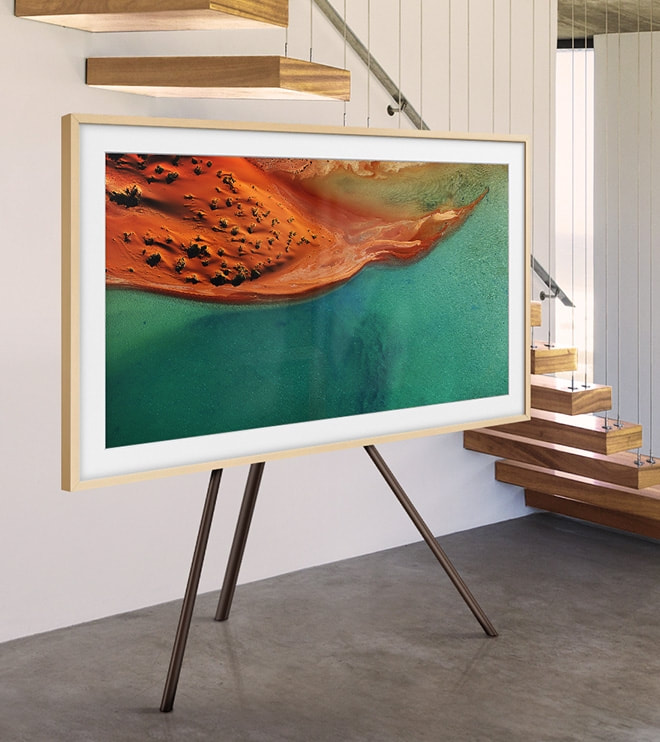
Above: Samsung Frame for displaying digital art
You can also show the NFT on your website or on your phone or tablet. Some owners order high-resolution prints of their NFTs too.
Sources
- ERC-721 Non-Fungible Token Standard, ethereum.org
- Exercise Caution with Crypto Asset Securities: Investor Alert, SEC Investor.gov
- Financial Products That Are Not Insured by the FDIC, FDIC
- Non-fungible tokens (NFT), ethereum.org