Will NFTs be Good Stores of Value in the Long Term?
NFTs attracted huge prices at auction and plenty of media attention in 2021. But will they be good stores of value in the long term? The honest answer: probably not for most NFTs, and no one can promise any NFT will hold its value.
Non-fungible tokens (NFTs) drew wide interest because of a few headline sales. In March 2021, Beeple's "Everydays: The First 5000 Days" sold at Christie's for about $69.3 million, and an NFT of the first tweet sold for about $2.9 million around the same time. The question for buyers is whether NFTs can be resold for a profit later, or whether they lose value over time.
An NFT is a blockchain token that records ownership of a digital item, often art or a collectible. Its price depends entirely on what the next buyer is willing to pay. Let's look at the arguments.
Would you like to learn more about the basics of NFTs, and learn how to invest in them? Click here.
These are the main arguments made for NFTs as stores of value, along with their limits:
• Value Creation for Tokenized Asset: Supporters say NFTs can represent ownership of physical items, such as fine art, letting groups co-own valuable pieces. In practice, the token is only as good as the legal agreement and custody behind the physical item. Fractional ownership offerings can also count as securities, which brings legal risks if they aren't registered.
• Scarcity and Limited Supply: An NFT's smart contract can limit how many copies exist, and anyone can check that on the blockchain. But scarcity alone doesn't create value. Anyone can mint a new collection at any time, and a one-of-a-kind NFT with no buyers is worth nothing.
• Higher Liquidity for investors: NFTs can be listed for sale online in minutes, but that doesn't mean someone will buy them. Many NFTs trade rarely or not at all, and NFT marketplace Mintable says NFT usage has declined every year since 2022. Selling can be harder than selling a stock or a fund.
• Potential for Growth and Development: Supporters point to uses in gaming, tickets and virtual land. Some of these may grow, but they depend on specific platforms staying in business. Several NFT marketplaces have already shut down or announced closures.
Overall, NFTs are speculative collectibles, not reliable stores of value. The SEC's Investor.gov warns that crypto asset investments can be exceptionally volatile and speculative and that the only money you should put at risk is money you can afford to lose entirely. The FDIC notes that crypto assets are not FDIC-insured.
If you buy NFTs because you enjoy the art or the community, treat the purchase as spending, not saving. Keep your long-term savings in diversified, regulated investments and insured accounts.
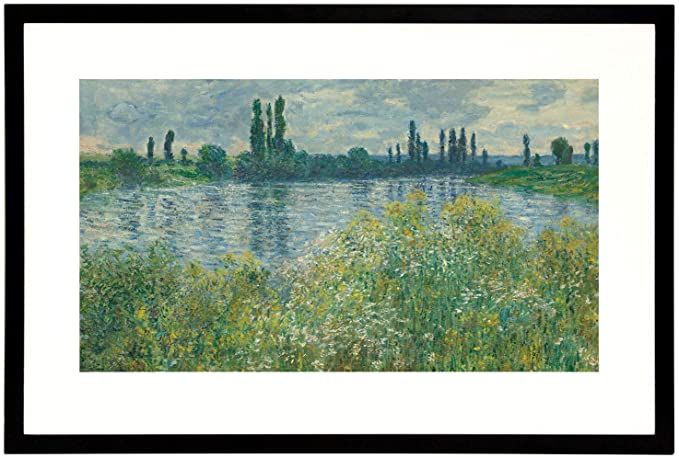
| Check out the best ways to display your NFTs. Click here! NFT DISPLAY OPTIONS Right: Canvia Digital Art Frame. Click to see it at Amazon. |
Sources
- Exercise Caution with Crypto Asset Securities: Investor Alert, SEC Investor.gov
- Financial Products That Are Not Insured by the FDIC, FDIC
- Sunsetting Mintable & Mintology, Mintable